
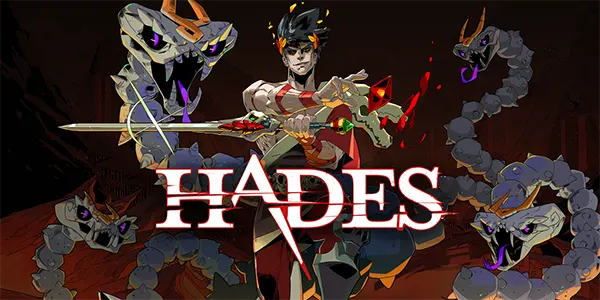
Hades (Netflix Mobile) — How to Clear the First Biomes Without Ruining Your Build
The mobile version of Hades available through Netflix Games keeps the same core gameplay as the PC and console releases: fast combat, randomised boons and short but intense escape attempts from the Underworld. For many new players, the first few biomes feel surprisingly punishing. Early mistakes in boon selection or weapon upgrades often lead to weak builds that collapse before reaching Elysium. Understanding how the early game systems interact — weapons, boons and room rewards — makes a huge difference in survival and consistency.
Understanding the Early Biomes in the Mobile Version
The first two biomes, Tartarus and Asphodel, act as the foundation for every run. Tartarus is where players assemble the core of their build. Enemy patterns are relatively simple, which makes it the best place to experiment with weapon upgrades and different boon combinations. Players who rush through rooms without thinking about their build usually struggle later in the run.
Room rewards in Tartarus matter more than many beginners realise. Prioritising Daedalus Hammer upgrades early can dramatically increase weapon efficiency. Hammer upgrades modify core mechanics such as attack range, projectile count or damage scaling. When one appears early, it often defines the direction of the entire build.
Asphodel introduces environmental hazards and faster enemy types. Lava tiles limit movement and punish slow reactions, which means mobility upgrades become more valuable. Boons that improve dash damage or provide defensive bonuses help stabilise builds before entering the mid-game biomes.
What Changes in the Netflix Mobile Edition
The Netflix mobile version preserves the gameplay systems of the original Hades but adapts controls for touch screens and smaller displays. Players can use touchscreen controls or connect a controller via Bluetooth. The choice affects how comfortable combat feels, especially during hectic fights in later rooms.
Touch controls slightly change how players approach positioning. Quick dash movement becomes more important because precise directional aiming is harder on a screen than on a controller. Builds that rely on wide attacks or area damage tend to perform better in the mobile version.
Session length also becomes a factor on mobile devices. A single run still takes around twenty to thirty minutes, but many players pause between rooms. Understanding which rewards matter early helps players make faster decisions during short play sessions.
Choosing Safe and Effective Early Builds
Early build stability depends heavily on weapon choice. The Stygian Blade offers balanced damage and mobility, which makes it suitable for beginners. The Eternal Spear provides range and safer positioning, allowing players to control enemy distance while learning patterns.
Boons from Athena and Zeus are widely considered reliable early options. Athena’s defensive effects, such as Deflect mechanics, allow players to survive mistakes and reflect enemy projectiles. Zeus boons add consistent lightning damage, which improves clearing speed in crowded rooms.
Another important rule is avoiding overly complex builds too early. Some combinations rely on very specific synergies that may not appear during a run. Focusing on simple damage upgrades and survivability increases the chance of reaching later biomes.
Common Build Mistakes in the First Runs
A common mistake is spreading upgrades across too many attack types. Players often take boons for attack, special and cast without strengthening any of them significantly. As a result, damage becomes inconsistent and enemies take longer to defeat.
Ignoring dash upgrades is another frequent issue. Dash is one of Zagreus’s strongest defensive tools, and several gods provide powerful dash bonuses. Artemis, Poseidon and Athena all offer dash effects that improve survivability or crowd control.
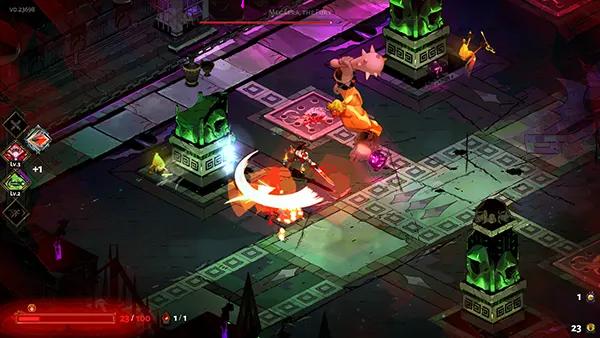
Players also tend to overlook resource rooms. Centaur Hearts increase maximum health and help maintain longer runs. Skipping too many health upgrades early may leave players underprepared for boss fights such as the Fury encounter at the end of Tartarus.
Strategies That Help You Reach the Mid-Game Consistently
Consistency in Hades comes from recognising which rewards are worth prioritising. Early Daedalus Hammers, strong attack boons and health upgrades create a stable foundation. Once those elements are secured, players can begin shaping more specialised builds.
Learning enemy behaviour in Tartarus and Asphodel also reduces unnecessary damage. Many enemies telegraph their attacks clearly. Observing these patterns allows players to avoid damage instead of relying purely on health upgrades.
Another useful tactic is choosing boons that scale well throughout the run. Effects that add percentage damage or repeated lightning strikes remain effective even in later biomes such as Elysium.
How to Maintain a Strong Build After the First Biomes
Once players leave Asphodel, their build should already have a clear direction. At this stage, it becomes more important to strengthen existing abilities rather than switching strategies entirely. Upgrading key boons or obtaining complementary effects improves reliability.
God duo boons can appear later if players already possess compatible abilities. These combinations significantly increase power and can transform a decent build into a powerful one. However, they depend on earlier decisions in Tartarus and Asphodel.
Maintaining balanced survivability is also important. Offensive upgrades are valuable, but runs often fail because of avoidable damage. Defensive boons, additional health and improved mobility make the transition into the later biomes much smoother.
Game Bestsellers
-
 Call of Duty: Warzone Mobile Performance Analysis Across Modern Dev...
Call of Duty: Warzone Mobile has become one of the …
-
 Squid Game: Unleashed — A Mobile Battle-Royale Inspired by the Hit ...
Squid Game: Unleashed is one of the most anticipated mobile …
-
 Assassin’s Creed Jade — A New Chapter in the Assassin’s Universe
Assassin’s Creed Jade marks an important step for Ubisoft as …